Free Dropshipping Website
A free dropshipping website is enough to build a storefront and test a product, but it is not enough to run a durable business. You can start with $0 only by using free tools, organic traffic, and manual work; once orders arrive, payment timing, refunds, samples, domains, and support create real cas
A free dropshipping website is enough to build a storefront and test a product, but it is not enough to run a durable business. You can start with $0 only by using free tools, organic traffic, and manual work; once orders arrive, payment timing, refunds, samples, domains, and support create real cash needs.
The sensible goal is not “free forever.” It is to learn whether strangers want the offer before committing scarce cash. ProvenStartups separates verified results from founder claims and unverified promotion so you can make that test without confusing a revenue screenshot with a business.
Table of contents
The honest answer
The honest answer is yes: you can publish a free dropshipping website and attempt a sale without buying inventory upfront. But “free” describes the storefront, not the whole transaction. We would use a no-cost setup to validate demand; we would not treat it as a permanent operating model or proof that the product is profitable.
The strongest directly relevant case is the Shopify AI Store Generator with Zendrop Dropshipping, which produced $1.7M in cumulative sales from one store. That is founder-reported [F] GMV, not profit. It proves demand can be created, not that the owner kept $1.7M or that the website stayed free.
Use Shopify’s own dropshipping documentation to understand the operating model. Then judge the supplier, fulfillment path, and customer promise yourself; a generated storefront cannot do that work for you.
What $0 really buys you
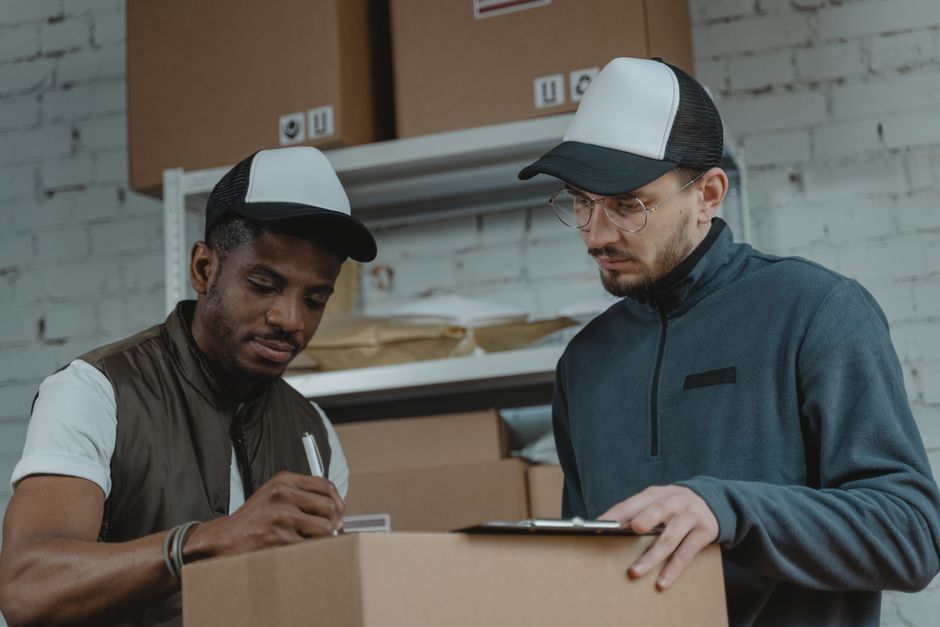
At zero cash, you get a test environment: a basic catalog, product pages, supplier imports, and a place to collect interest. You do not get reliable acquisition, quality control, faster delivery, refund reserves, or defensibility. The useful output is evidence—a click, inquiry, or paid order—not a polished brand.
A genuinely lean setup should let you:
- ·Pick one narrow customer problem.
- ·Present one clear offer.
- ·Publish shipping and refund terms.
- ·Seek traffic through content and direct outreach.
- ·Record questions, objections, and attempted purchases.
The AI Solo E-commerce case claimed $180K in 30 days, sourcing at $7 and selling at $45 for about a 550% gross margin. The result is unverified [U] and creator-relayed, while the margin is gross, before acquisition, refunds, fees, and support. Treat it as a hypothesis generator, never as a forecast.
Cases that started this way
Real cases show that lightweight tools can launch an offer, but they do not show that “free website” is the decisive advantage. ProvenStartups’ evidence is more useful when adjacent models are included: it reveals whether the attractive result came from a store, software, a paywall, or a high-touch service.
| Case | Published result and evidence | What it actually supports |
|---|---|---|
| Shopify AI Store Generator + Zendrop | $1.7M cumulative sales from one store, founder-reported [F]; GMV, not profit | A generated store can reach meaningful sales |
| AI Solo E-commerce | Claimed $180K in 30 days; $7 source, $45 sale, about 550% gross margin; unverified [U] | A large spread can make an offer testable, but the claim needs proof |
| Cal AI | $25M per year net, third-party verified [V] | Focused software can create stronger economics than commodity resale |
| Viral App Monetization Machine | Cal AI and Lerna at $2M per month each, third-party verified [V] | Distribution plus monetization matters more than cheap page creation |
| Mine Marketing | $140K per month revenue, with QuickBooks refreshed live on stream; third-party verified [V] | Selling websites to businesses can be a stronger website-based model |
This contradicts the popular pitch. The best evidence here does not say free dropshipping websites are the easiest route to durable income; the strongest verified [V] outcomes are software and service businesses. A free store is therefore a cheap experiment, not the default winner.
The costs that show up later
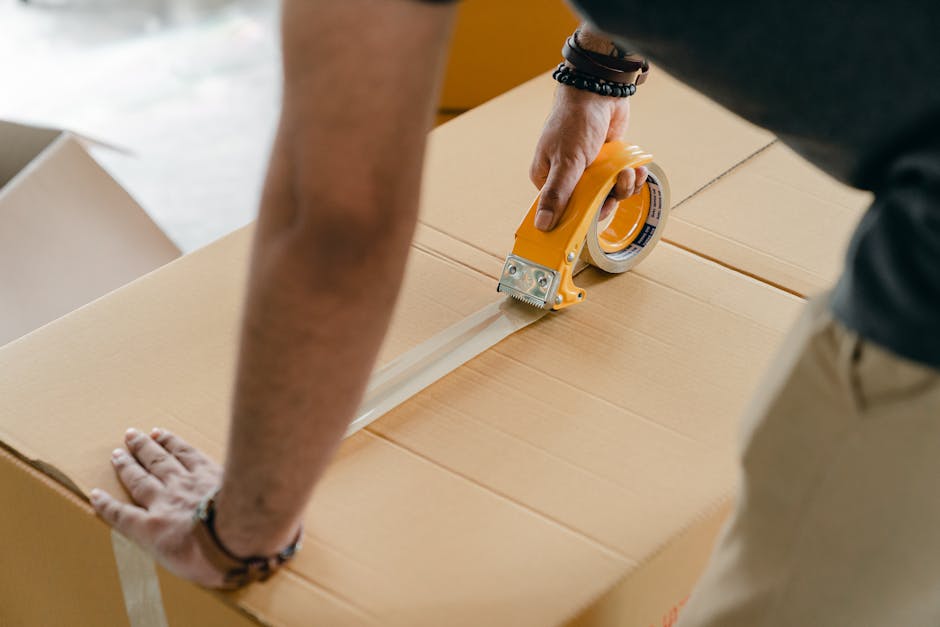
Costs appear precisely when validation works: you need enough cash and operational slack to fulfill orders before payouts settle, replace failures, handle refunds, test quality, and answer customers. Free software can delay spending, but it cannot eliminate the obligations created by taking someone’s money.
Expect pressure from:
- ·A domain, email, and brand assets.
- ·Product samples and supplier mistakes.
- ·Payment fees, holds, disputes, and refunds.
- ·Faster support and order-tracking tools.
- ·Traffic once organic reach stalls.
If anyone packages dropshipping as a guaranteed money-making opportunity, compare the offer with the FTC Business Opportunity Rule compliance guide. We would refuse earnings promises, mystery suppliers, copied product claims, and any setup that leaves refund responsibility unclear.
What we’d actually do
We would give a free store one job: earn evidence before it earns a budget. Start with one audience, one problem, and one supplier you can contact. Publish honestly, pursue manual traffic, and measure completed purchases—not page views. Spend only after the full order economics and fulfillment experience survive a real test.
The sequence is simple:
- ·Compare the idea with other businesses that are cheap to start, not just other stores.
- ·Choose a product whose delivery time, quality, and claims you can defend.
- ·Build the smallest credible page and disclose shipping and refund terms.
- ·Seek organic conversations and sales before buying ads.
- ·Track sale proceeds against landed product cost, fees, refunds, and support.
- ·If flexibility matters more than commerce, compare a side hustle from home.
- ·If urgency is driving the decision, read the evidence behind ways to make money online fast, then reject guarantees.
Write the assumptions down using the SBA guide to writing a business plan. Then browse all evidence-graded startup ideas before committing; we would switch models if a service or software offer gave us more control over quality and margin.
Where the numbers stop being trustworthy
Numbers stop being trustworthy when a page swaps GMV for profit, a short launch window for a normal month, or gross margin for owner income. ProvenStartups keeps those distinctions visible: [V] means third-party verified, [F] founder-reported, [C] creator-relayed, and [U] unverified. The grade changes how much weight the figure deserves.
Apply three checks:
- ·Ask whether the figure is sales, net revenue, or profit.
- ·Look for the time period and whether it was exceptional.
- ·Separate direct evidence from a founder or creator repeating a claim.
That is why $1.7M in store GMV [F] and $180K in 30 days [U] are leads to investigate, not income forecasts. Even the $25M per year net Cal AI result [V] does not validate dropshipping; it shows what clearer, independently supported evidence looks like.
FAQ
The short version is consistent across every question below: free tools can remove the storefront fee, but they cannot remove supplier risk, fulfillment work, customer obligations, or the need to prove demand. Start free if necessary, yet judge success by defensible unit economics and evidence quality rather than launch cost.
What is the best free dropshipping website?
The best option is the one that lets you publish a credible offer, connect a suitable supplier, state shipping and refund terms, and test demand without trapping your data. We would favor operational clarity over the longest feature list. A free tool is good only while it keeps the experiment honest and reversible.
Is it possible to dropship for free?
Yes, it is possible to attempt dropshipping with no upfront website or inventory payment by using a free storefront, supplier fulfillment, organic traffic, and manual work. It is not possible to guarantee that the whole business remains free, because successful orders introduce fulfillment timing, payment fees, refunds, support, and quality-control needs.
Can I make $10,000 per month dropshipping?
It is possible, but the supplied evidence does not establish that a beginner should expect $10,000 per month. The directly relevant store reported $1.7M cumulative GMV [F], not profit, and the $180K in 30 days claim is unverified [U]. Neither figure reveals a dependable monthly take-home amount.
Can I dropship with $0?
You can begin a test with $0 if free tools, organic outreach, and manual operations are available to you. We would use that constraint to validate one offer, not pretend the business has no costs. Before accepting orders, decide how you will cover supplier timing, refunds, disputes, samples, and customer support.