Free Self Publishing Platforms
The honest answer is that free self-publishing platforms can let you publish without paying an upfront platform fee, but they cannot make a book business costless. Start with the platform that discloses royalties and production charges, validate demand before buying services, and treat every later e
The honest answer is that free self-publishing platforms can let you publish without paying an upfront platform fee, but they cannot make a book business costless. Start with the platform that discloses royalties and production charges, validate demand before buying services, and treat every later expense as optional until a sale proves it is needed.
ProvenStartups grades revenue evidence as verified [V], founder-reported [F], creator-relayed [C], or unverified [U]. The cases below show what publishing can become; the grade beside each figure tells you how much confidence it deserves.
Table of Contents
The honest answer
Yes, you can self-publish with no upfront platform payment, and Amazon KDP is the clearest option supported by the sources in this guide. But “free” describes entry, not the whole operation: the platform can still deduct royalties and printing costs, while editing, design, promotion, and your time remain your responsibility.
That is enough to begin, but not enough to assume profit.
The strongest proof is AI Coloring Books on Amazon KDP: $10,155 net profit across 2 books for the full year (approximately $846 per month), with screenshot evidence included [V]. That is ProvenStartups’ highest confidence class.
That result contradicts the easy-money pitch: even a verified success was a modest monthly business, not instant passive income. We would test one specific reader promise, not upload undifferentiated books.

What $0 really buys you
$0 buys access to publishing infrastructure: you can prepare a book, list it, and let a platform handle a transaction without first funding a print run. It does not buy demand, quality, positioning, or margin. The useful question is therefore not “Which site is free?” but “Which costs wait until after a customer pays?”
Read the official Amazon KDP royalty terms and KDP printing cost schedule before choosing format or price. Those pages govern the economics.
| What you need | Can start without upfront platform spend? | What still matters |
|---|---|---|
| Platform access | Yes | Account rules and distribution reach |
| Digital listing | Yes | Royalty deductions and price |
| Print availability | Yes, without inventory | Printing cost per sale |
| Manuscript and cover | If you do the work | Quality and reader fit |
| Customer acquisition | Possibly | Time, audience, and later promotion |
Software can sit on top of this infrastructure. Author AI reported a peak of $300K per month [F]. That founder-reported peak is neither verified recurring revenue nor a typical author outcome. A high ceiling does not make the path predictable.
Cases that started this way
The cases support a narrower conclusion than social media usually does: low-cost publishing can produce real revenue when it is paired with a clear format, audience, or software advantage. They do not prove that uploading any book works. More importantly, their evidence strength varies, so the largest claim is not automatically the most useful benchmark.
- ·LipPal AI reported $30,894.74 total in April 2026 [F]. The precise figure remains founder-reported, not independently verified.
- ·The AI-first one-person media company in Thailand reported about ฿400,000–500,000 in sales over roughly 3–4 months [F]. Costs were not disclosed.
- ·The creator-relayed “Non-Coder Lovable Four” case said ShiftNext reached $1M ARR in 5 months [C]. ARR is a run rate, not cash collected, and the claim was relayed rather than verified.
Read these beside the verified coloring-book result. Its $10,155 full-year net profit across 2 books [V] sounds smaller, but screenshots and net-profit framing make it more actionable.
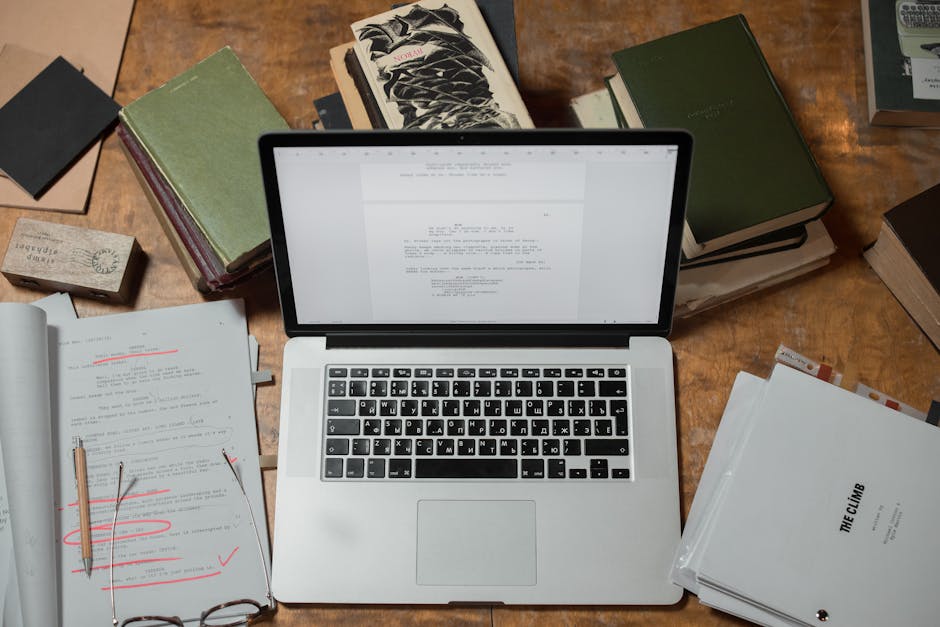
The costs that show up later
Free publishing does not eliminate costs; it changes their timing and who carries them. Platform deductions arrive with sales, while quality and growth costs appear when your own skills stop being sufficient. We would refuse to buy a large service bundle before validation, because a polished book with no demonstrated reader demand is still an unproven product.
Expect four pressure points:
- ·Production: print charges reduce each physical sale.
- ·Quality: editing, formatting, and cover help can cost money.
- ·Discovery: a listing is not an audience.
- ·Opportunity cost: research, production, and support consume time.
The verified KDP case matters again: approximately $846 per month in full-year net profit across 2 books [V] shows that revenue and profit differ. Before spending, use the SBA’s business-plan guide to state the customer, offer, channel, costs, and break-even logic.
What we’d actually do
We would choose one narrow reader problem, create the smallest credible book that solves it, publish through a platform with explicit economics, and wait for evidence before expanding. We would not start with paid ads, a catalog, or an expensive publishing package. The first objective is one clean demand test, not the appearance of a publishing company.
- 1.Pick a painful, searchable problem. Use the start-cheap idea collection to compare low-capital formats.
- 1.Define one buyer and outcome. Use the side-hustle-from-home guide to keep the scope realistic.
- 1.Build manually first. Handle the manuscript, formatting, and launch where your skills allow. Spend only when a visible gap threatens the promise.
- 1.Set a decision rule. Decide what evidence would justify a better cover, editing, or another title. Compare “fast” claims with fast ways to make money online.
- 1.Expand after signal. Browse the directory of graded startup ideas, but keep evidence classes visible. A $300K-per-month peak [F] is inspiration, not a forecast.
Where the numbers stop being trustworthy
Revenue numbers stop being decision-grade when the source, period, costs, or metric becomes unclear. ProvenStartups would trust verified net profit before founder-reported revenue, and founder-reported revenue before a creator-relayed annualized claim. We would refuse to model a business from a headline figure whose underlying cash, refunds, expenses, and durability were not disclosed.
Use the grades literally:
- ·[V] verified: outside evidence supports the claim.
- ·[F] founder-reported: the founder is the source.
- ·[C] creator-relayed: another creator passed along the claim.
- ·[U] unverified: no adequate verification was supplied.
That makes the apparent contradiction easy to resolve. ShiftNext at $1M ARR in 5 months [C] is the largest-sounding case, while the coloring-book case at $10,155 net profit for the full year [V] is the stronger operating benchmark. Big numbers attract attention; evidence quality should control your budget.
FAQ
Use free entry to validate a book, inspect official platform economics, and avoid treating optional services as prerequisites. No free self-publishing website guarantees readers or profit. If current terms are absent from the supplied evidence, we will say so rather than invent an answer.
Where can I publish my own book for free?
Amazon KDP is the supported example here: you can begin without funding inventory, while royalties and printing economics affect what you keep. Read its official terms first. The verified KDP case produced approximately $846 per month across 2 books for a full year [V], not guaranteed income.
Is Lulu completely free?
The supplied evidence does not disclose Lulu’s current fees, services, or deductions, so we cannot call it completely free. Check its current terms before committing. Distinguish free account access from production, distribution, optional services, and per-sale costs; those categories determine whether any platform is affordable for your format.
What are the best free self-publishing websites?
The best platform has no required upfront spend for your format, clear rights, understandable deductions, and access to your reader. This guide substantiates Amazon KDP, not a ranking of other sites. We would choose transparent economics over more features and test one book before considering expansion.
How can I self-publish my book with no money?
Write for one reader, edit and format with skills you have, create a credible cover, and use a no-upfront-fee platform. Promote manually. Delay paid help until sales or strong reader response exposes the next constraint. Self-publishing with no money requires narrower scope, not lower standards.